Most Millersport drivers wait until the first snowfall to think about winter tires, but by then it’s often too late to get an appointment. Smart winter safety starts with the right tire choice, consistent pressure monitoring, and understanding what keeps your vehicle stable when temperatures drop below 45 degrees. Kreager Tire & Service has been helping central Ohio families navigate winter roads for four decades, and we’ve learned that preparation beats panic every time.
This guide covers when to switch to winter tires, why tire pressure drops in cold weather, how to check tread depth quickly, the truth about all-wheel drive, and proper storage techniques. Whether you’re commuting through Thornville or driving rural routes near Buckeye Lake, these strategies will help you handle Ohio’s unpredictable winter conditions confidently.
The Science Behind Winter Tires
Most drivers don’t realize that tire performance changes dramatically with temperature. Once the thermometer drops below 45 degrees Fahrenheit, the rubber compounds in all-season tires begin to harden, reducing their ability to grip the road effectively. This happens even on dry pavement, not just during snowstorms.
Winter tires solve this problem through specialized engineering:
- Rubber Compound: Softer formulations stay flexible in freezing temperatures, maintaining grip when other tires become rigid and lose traction.
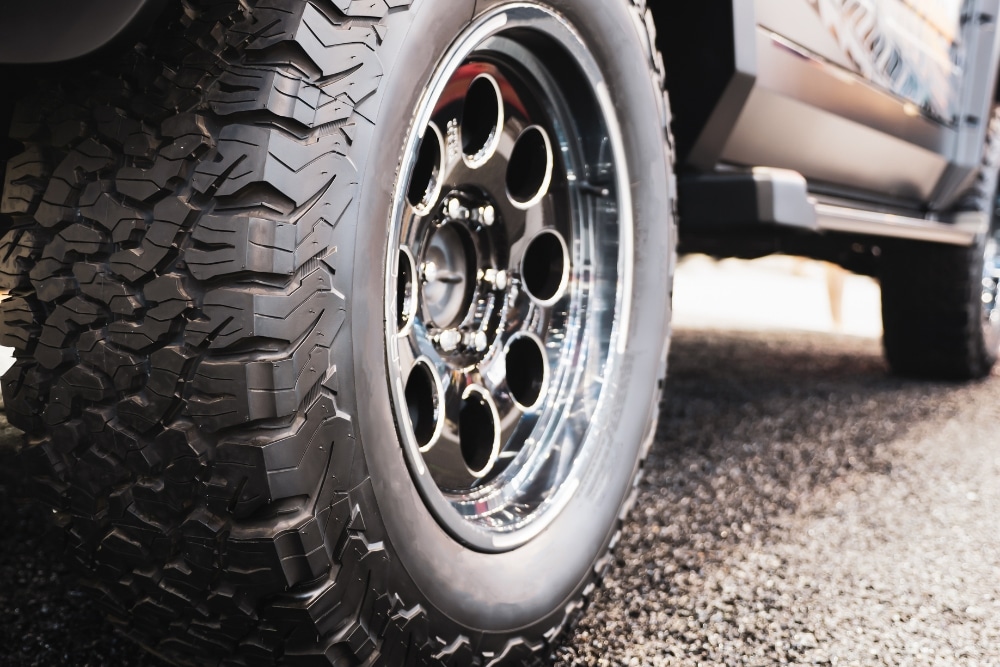
- Tread Design: Deeper grooves channel away snow and slush more effectively, while thousands of tiny slits called sipes create additional biting edges that grip ice.
- Performance Range: These tires excel in all cold-weather conditions, including dry roads, light snow, and the especially dangerous black ice that appears without warning on Ohio highways.
Testing shows winter tires can reduce stopping distances by 30 to 40 percent compared to all-season tires in cold conditions. That extra distance could mean avoiding a collision entirely.
Winter Tires vs. All-Season Tires: Key Differences
| Feature | Winter Tires | All-Season Tires |
|---|---|---|
| Optimal Temperature | Below 45°F | Above 45°F |
| Rubber Compound | Soft, flexible in cold | Hardens in freezing temps |
| Tread Depth | Deeper grooves (10-12/32″) | Shallower (8-10/32″) |
| Tread Pattern | Aggressive with sipes | Moderate, all-purpose |
| Ice/Snow Traction | Excellent | Fair to poor |
| Dry Cold Road Performance | Excellent | Reduced grip |
| Stopping Distance (cold) | 30-40% shorter | Baseline |
| Warm Weather Use | Wears quickly | Designed for it |
| Best Use | Oct-March in Ohio | Year-round mild climates |
Is It Too Late to Install Winter Tires in Millersport?
If you’re reading this in late December and haven’t switched to winter tires yet, you’re not alone, and it’s definitely not too late. Winter in central Ohio extends well into March, meaning you still have months of icy roads, snow-covered highways, and unpredictable freezing rain ahead. Installing winter tires now protects you through the worst of the season.
Signs You Need Winter Tires Right Now:
- You’ve already experienced slipping, sliding, or longer stopping distances on cold or icy roads
- Your all-season tires feel less responsive in freezing temperatures
- You’re planning holiday travel or daily commutes through rural or less-maintained roads
- Weather forecasts show consistent temps below 45°F and winter storms on the horizon
Even if the first snowfall has passed, winter tire installation improves safety and control for the remainder of the season. At Kreager Tire & Service, we source quality winter tires from our network of trusted suppliers and can get you on the road safely without delay.
Ready to make the switch? Visit us at 2545 Blacklick-Eastern Rd NE, Millersport, OH 43046, or call (740) 467-3189 to schedule your winter tire installation today.
The Hidden Danger of Tire Pressure Changes
Here’s something most drivers discover too late: tire pressure drops approximately one PSI for every 10-degree temperature decrease. When Ohio temperatures plunge from 60 degrees in October to 20 degrees in January, your tires could lose four PSI or more without any actual air leak.
Why This Matters:
- Handling: Underinflated tires reduce your vehicle’s responsiveness
- Stopping Distance: Low pressure increases braking distance
- Tire Wear: Improper inflation causes premature and uneven tread wear
- Fuel Economy: Soft tires create more rolling resistance
Check your tire pressure weekly during winter months using a quality gauge when tires are cold. The correct pressure is listed on your driver’s door jamb sticker, not the tire sidewall.
Tread Depth: Your Safety Margin on Ice
Most tire manufacturers recommend replacing tires at 2/32 inches of tread depth, but for winter driving safety, maintaining at least 6/32 inches provides better traction on snow and ice.
Quick Tread Assessment Methods
- The Penny Test: Insert a penny into your tread groove with Lincoln’s head upside down. If you can see the top of his head, your tread is below 2/32 inches and needs immediate replacement.
- The Quarter Test: For winter driving, use a quarter instead. If you can see the top of Washington’s head, you’re at 4/32 inches or less and should consider new tires soon.
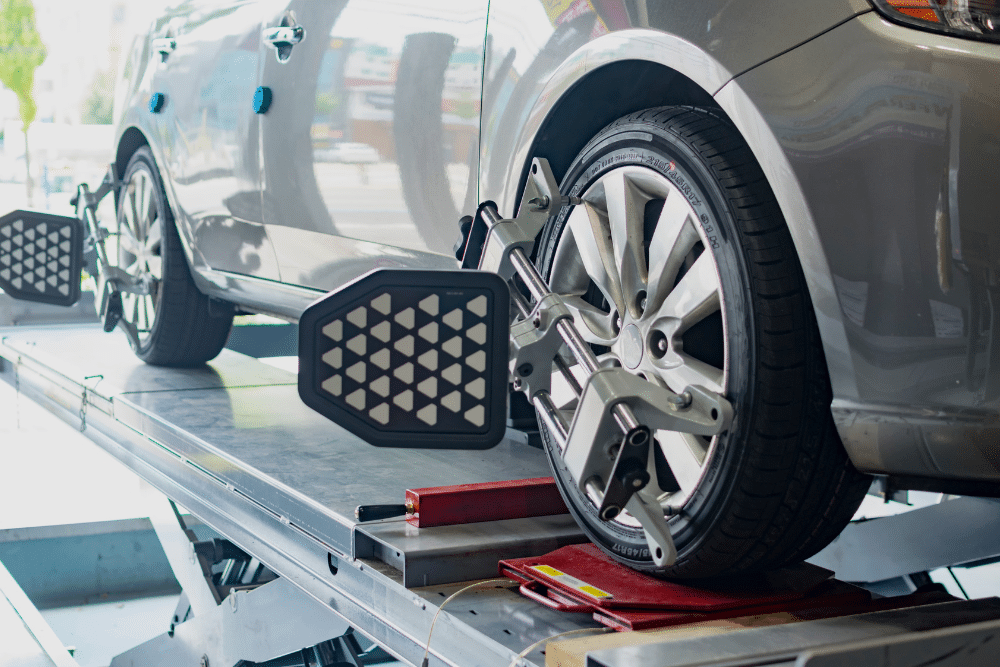
- Professional Measurement: Stop by Kreager Tire & Service in Millersport, and our team will check your tread depth with professional gauges and inspect for uneven wear patterns that often indicate alignment or suspension problems. With our Hunter Hawkeye Elite alignment system on-site, we can quickly diagnose the issue and get you back on the road safely.
Beyond Tires: Complete Winter Safety
Even the best winter tires can’t compensate for dangerous driving habits. A comprehensive winter safety approach includes multiple factors.
Vehicle Preparation:
- Battery strength tested for cold-weather starting
- Antifreeze concentration verified
- Wiper blades replaced and washer fluid topped off
- Emergency kit with blanket, flashlight, and supplies
Driving Technique Adjustments:
- Reduce speed by 25 to 30 percent on snow-covered roads
- Triple your following distance
- Accelerate gently to prevent wheel spin
- Brake smoothly and earlier than normal
The Truth About All-Wheel Drive
Many drivers assume all-wheel drive makes winter tires unnecessary. This misconception leads to dangerous overconfidence. While these systems help you accelerate on slippery surfaces, they provide almost no benefit for stopping or turning.
A front-wheel-drive vehicle with proper winter tires will outperform an all-wheel-drive SUV on all-season tires in virtually every winter driving scenario except deep snow acceleration. The tires make the difference, not the drivetrain.
Proper Storage Extends Tire Lifespan
When spring arrives and temperatures warm consistently above 45 degrees, proper storage of your winter tires protects your investment.
Storage Best Practices:
- Clean thoroughly: Remove road salt and brake dust
- Dry completely: Prevent moisture-related deterioration
- Choose location wisely: Store in a cool, dry space away from sunlight
- Position properly: Stack mounted tires horizontally; store unmounted tires upright
Avoid storing tires near furnaces or electric motors, as these can accelerate rubber degradation.
Need help preparing your vehicle for winter? Visit Kreager Tire & Service at 2545 Blacklick-Eastern Rd NE, Millersport, OH 43046, or call us at (740) 467-3189 to speak with our team about tire options for safe winter driving.
Why Millersport Drivers Trust Kreager Tire & Service
At Kreager Tire & Service, we’ve built our reputation helping central Ohio drivers stay safe through countless winters. Our commitment goes beyond just selling tires; we focus on building long-term relationships based on honesty, integrity, and genuine care for our community.
We carry quality tire brands including Toyo, Michelin, Yokohama, Cooper, Goodyear, and Mastercraft. Every set of four tires includes complimentary installation and Hunter Roadforce balancing, backed by our 3-year/36,000-mile warranty.
What Sets Us Apart:
- Early bird drop-off for your convenience
- Shuttle service and home pickup/delivery
- Hunter Hawkeye Elite alignment system
- State-of-the-art diagnostic equipment
We serve drivers throughout Millersport, Thornville, Heath, Newark, Pickerington, Baltimore, Lancaster, Buckeye Lake, Somerset, Granville, and Hebron with small-town compassion and professional expertise.
FAQs About Winter Tire Safety in Millersport
What’s the difference between snow tires and all-season tires in Ohio winters?
Snow tires use softer rubber compounds and specialized tread patterns designed for temperatures below 45 degrees, providing superior traction on ice and snow. All-season tires become rigid in cold weather and lack the deep grooves needed for optimal winter grip.
How often should you check tire pressure during cold weather?
Check tire pressure at least once a week during winter months, as tires lose approximately one PSI for every 10-degree temperature drop. Regular monitoring ensures optimal handling, fuel efficiency, and safety on icy roads.
Can I drive safely in Millersport without winter tires?
While all-season tires are legal, winter tires significantly improve safety during Ohio’s harsh winter conditions with better traction, shorter stopping distances, and improved handling. The investment is especially worthwhile for frequent rural road driving or early morning commutes.
When should I switch to winter tires in Ohio?
The ideal time to switch to winter tires is late October or early November when temperatures consistently drop below 45 degrees. If you’re reading this later in the season, winter tires are still beneficial through March, as central Ohio experiences ice, snow, and freezing temperatures well into early spring.
How do I store my winter tires properly after the season?
Clean and dry your winter tires thoroughly before storing them in a cool, dry location away from direct sunlight and heat sources. Store mounted tires horizontally or hanging, and store unmounted tires upright, rotating their position monthly.
Do winter tires wear out faster on dry pavement?
Yes, winter tires wear more quickly on dry, warm pavement because their softer rubber compound is designed for cold temperatures. Switch back to all-season tires once temperatures consistently stay above 45 degrees in spring.
Will winter tires fit on my current wheels?
Most winter tires can be mounted on your existing wheels if they’re the correct size. Many drivers choose to purchase a separate set of wheels for their winter tires, making seasonal changeovers faster and more convenient.
Schedule Your Winter Tire Service in Millersport Today
Don’t wait until the first snowstorm to think about winter tire safety. Whether you need new winter tires, pressure checks, tread inspections, or expert advice, we’re here to help.
Visit Kreager Tire & Service at 2545 Blacklick-Eastern Rd NE, Millersport, OH 43046, or call us at (740) 467-3189 to schedule your appointment. Our team is committed to keeping you safe on the road with quality service, honest recommendations, and personalized attention.